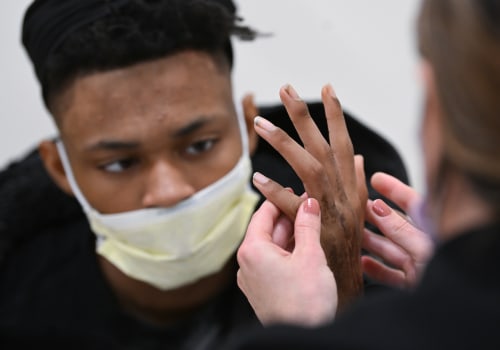
The health of Black men in the United States is a critical issue that demands our attention. Despite advancements in medical science and healthcare access, significant disparities persist, affecting the overall well-being of this demographic. Understanding these disparities is essential not only for improving health outcomes but also for addressing the systemic issues that contribute to them. The intersection of race and health reveals a complex landscape where social determinants, historical injustices, and economic factors converge to create unique challenges for Black men.Research indicates that Black men face higher rates of chronic diseases such as hypertension, diabetes, and certain types of cancer compared to their white counterparts.
These health disparities are not merely statistical anomalies; they reflect deep-rooted inequities in healthcare access, quality of care, and social support systems. For instance, Black men are often less likely to receive timely medical interventions or preventive care, which can lead to more severe health complications down the line.Moreover, the stigma surrounding mental health within the Black community further complicates the issue. Many Black men may feel reluctant to seek help due to societal pressures or fear of being perceived as weak. This reluctance can exacerbate existing health problems and contribute to a cycle of poor health outcomes.
By exploring the multifaceted nature of these disparities, we can begin to understand the urgent need for targeted interventions that address both physical and mental health needs.In this article, we will delve deeper into the various factors influencing Black men’s health, examining how race impacts healthcare experiences and outcomes. By shedding light on these critical issues, we aim to foster a greater understanding of the challenges faced by Black men and advocate for equitable solutions that promote better health for all.
Understanding Health Disparities in Black Men
Health disparities refer to the differences in health outcomes and access to healthcare services that are closely linked with social, economic, and environmental disadvantages. These disparities are particularly pronounced among Black men, who face a unique set of challenges that contribute to poorer health outcomes compared to their white counterparts. Understanding these disparities requires a comprehensive examination of the various factors at play.One of the primary contributors to health disparities among Black men is socioeconomic status.Many Black men experience higher rates of poverty, unemployment, and lower levels of education, which can significantly impact their overall health. For instance, limited financial resources often restrict access to quality healthcare services, nutritious food, and safe living environments. This lack of access can lead to a higher prevalence of chronic diseases such as diabetes, hypertension, and heart disease.Moreover, systemic barriers within the healthcare system exacerbate these issues. Black men often encounter discrimination and bias when seeking medical care, which can discourage them from pursuing necessary treatment.
A study revealed that many Black patients report feeling less respected by healthcare providers compared to other racial groups. This mistrust can lead to delays in seeking care or avoiding it altogether, further worsening health outcomes.Additionally, cultural factors play a role in how Black men perceive health and wellness. Traditional views on masculinity may discourage them from expressing vulnerability or seeking help for mental health issues. This stigma surrounding mental health can lead to untreated conditions such as depression and anxiety, which are prevalent in this demographic.To address these disparities effectively, it is crucial to implement targeted interventions that consider the unique experiences of Black men.
This includes increasing access to culturally competent healthcare providers who understand the specific challenges faced by this group. Furthermore, community-based programs that promote health education and preventive care can empower Black men to take charge of their health.In conclusion, understanding the health disparities affecting Black men involves recognizing the interplay of socioeconomic factors, systemic barriers, and cultural influences. By addressing these issues holistically, we can work towards achieving better health outcomes for Black men and ultimately reduce the overall disparities within the healthcare system.
Prevalent Health Issues Among Black Men
Black men in the United States face a myriad of health challenges that significantly impact their quality of life and longevity. Understanding these prevalent health issues is crucial for developing effective interventions and support systems.Hypertension
Hypertension, or high blood pressure, is one of the most common health issues affecting Black men.According to the American Heart Association , Black adults are more likely to develop hypertension at an earlier age compared to their white counterparts. Approximately 40% of Black men are diagnosed with hypertension, which can lead to severe complications such as heart disease and stroke if left unmanaged.
Diabetes
Another significant concern is diabetes, particularly type 2 diabetes. The Centers for Disease Control and Prevention (CDC) reports that Black men are nearly 60% more likely to be diagnosed with diabetes than white men. This disparity can be attributed to a combination of genetic predisposition, lifestyle factors, and limited access to healthcare resources.Managing diabetes effectively requires regular monitoring and lifestyle adjustments, which can be challenging for many.
Cancer
Cancer rates also present a troubling picture for Black men. They are at a higher risk for several types of cancer, including prostate cancer, which is particularly prevalent among African American men. The American Cancer Society indicates that Black men are 1.7 times more likely to die from prostate cancer than white men. Early detection through regular screenings is vital, yet many face barriers in accessing these services.Mental Health Challenges
Mental health is another critical area where Black men experience significant disparities.Stigma surrounding mental health issues often prevents individuals from seeking help. According to a study by the National Institute of Mental Health , Black men are less likely to receive mental health treatment compared to other demographics, despite experiencing high levels of stress and trauma related to systemic racism and socioeconomic challenges. This lack of support can exacerbate conditions such as depression and anxiety.Addressing these prevalent health issues requires a multifaceted approach that includes increasing awareness, improving access to healthcare services, and fostering supportive environments that encourage Black men to prioritize their health.
The Role of Genetics and Environment
Understanding the health disparities faced by Black men requires a comprehensive examination of both genetic and environmental factors. While genetics can predispose individuals to certain health conditions, the environment in which they live plays a crucial role in shaping their overall health outcomes.Genetic Factors
Research indicates that genetics can influence susceptibility to various diseases, including hypertension, diabetes, and certain types of cancer.
For instance, studies have shown that Black men are at a higher risk for conditions such as prostate cancer, which may be linked to genetic variations that affect hormone levels and cellular growth. Additionally, genetic predispositions can interact with lifestyle choices, exacerbating health issues.However, it is essential to recognize that genetics alone does not determine health outcomes. The concept of gene-environment interaction highlights how environmental factors can influence the expression of genetic traits. For example, a Black man with a genetic predisposition for hypertension may not develop the condition if he maintains a healthy lifestyle and has access to quality healthcare.
Environmental Influences
The environment encompasses a wide range of factors, including socioeconomic status, access to healthcare, education, and community resources.
Many Black men live in neighborhoods with limited access to fresh foods and safe recreational spaces, contributing to higher rates of obesity and related health issues. Furthermore, systemic barriers such as discrimination in healthcare settings can lead to mistrust and reluctance to seek medical attention.Moreover, environmental stressors such as exposure to pollution and violence can adversely affect mental and physical health. Chronic stress from these factors can lead to conditions like anxiety and depression, which further complicate health outcomes.In summary, while genetics play a role in the health disparities experienced by Black men, it is the interplay between these genetic factors and environmental influences that ultimately shapes their health trajectories. Addressing these disparities requires a multifaceted approach that considers both biological predispositions and the broader social determinants of health.
Access to Healthcare: Barriers and Solutions
Access to quality healthcare is a critical issue for many individuals, but for Black men, the barriers are often more pronounced.Understanding these obstacles is essential for developing effective solutions that can enhance healthcare access and improve health outcomes.
Financial Constraints
One of the most significant barriers to healthcare access for Black men is financial constraints. Many Black men face economic challenges that limit their ability to afford healthcare services. According to recent studies, a substantial percentage of Black men are either uninsured or underinsured, which directly impacts their ability to seek necessary medical care. The high costs associated with healthcare, including premiums, deductibles, and out-of-pocket expenses, can deter individuals from seeking timely treatment.
Lack of Insurance
The lack of health insurance is a pervasive issue among Black men.
Many work in jobs that do not offer health benefits or are employed in industries where part-time work is common, leading to insufficient coverage. This lack of insurance not only limits access to preventive care but also increases the likelihood of untreated health conditions, which can escalate into more severe health issues over time.
Mistrust in the Healthcare System
Mistrust in the healthcare system is another significant barrier that affects Black men’s willingness to seek care. Historical injustices, such as unethical medical experiments and systemic racism within healthcare settings, have contributed to a deep-seated skepticism towards medical professionals among many in the Black community. This mistrust can lead to avoidance of healthcare services altogether, resulting in delayed diagnoses and poorer health outcomes.
Potential Solutions
- Community Outreach Programs: Implementing community-based outreach initiatives can help bridge the gap between healthcare providers and Black men.
These programs can provide education about available services and address specific health concerns prevalent in the community.
- Affordable Care Options: Expanding access to affordable insurance plans and sliding scale clinics can alleviate some financial burdens. Policymakers should advocate for policies that increase funding for community health centers that serve low-income populations.
- Culturally Competent Care: Training healthcare providers in cultural competence can help build trust with Black men. Understanding cultural nuances and addressing biases within the healthcare system can foster a more welcoming environment for patients.
- Health Education Campaigns: Launching targeted health education campaigns that focus on preventive care and chronic disease management can empower Black men to take charge of their health and seek care when needed.
Cultural Competence in Healthcare Providers
In the realm of healthcare, cultural competence is a critical factor that can significantly influence the quality of care provided to patients, particularly among Black men. Cultural competence refers to the ability of healthcare providers to understand, communicate with, and effectively interact with patients from diverse cultural backgrounds.This understanding is essential for fostering a trusting and respectful provider-patient relationship , which is particularly important in communities that have historically faced discrimination and mistrust in the healthcare system.For many Black men, the experience of seeking medical care can be fraught with anxiety and apprehension. This is often due to a history of negative experiences with healthcare providers, including instances of being dismissed or not taken seriously. When healthcare providers demonstrate cultural competence, they can help alleviate these concerns by showing respect for their patients' backgrounds and experiences. This can lead to improved communication, where patients feel more comfortable discussing their health issues openly.Moreover, cultural competence can enhance the effectiveness of treatment plans.
When providers take the time to understand the cultural beliefs and practices of their Black male patients, they can tailor their recommendations in a way that resonates with those individuals. For instance, understanding dietary preferences or traditional health practices can lead to more personalized and acceptable health interventions.To cultivate cultural competence, healthcare institutions should prioritize training programs that educate providers about the unique health challenges faced by Black men. These programs should include:
- Awareness of Health Disparities: Educating providers about the specific health issues prevalent in the Black community, such as hypertension and diabetes.
- Communication Skills: Training on how to engage in effective dialogue that respects cultural differences and encourages patient participation.
- Building Trust: Strategies for establishing rapport with patients, which may include acknowledging historical injustices within the healthcare system.
Community Initiatives and Support Systems
In recent years, various community initiatives have emerged to address the unique health challenges faced by Black men.These programs aim to enhance health outcomes through education, prevention, and support systems tailored specifically for this demographic. By focusing on culturally relevant strategies, these initiatives empower individuals and foster a sense of community.
Health Education Programs
One of the most effective ways to improve health among Black men is through targeted health education programs. Organizations such as the Black Men's Health Initiative provide workshops and seminars that cover essential topics like nutrition, exercise, mental health, and chronic disease management. These programs not only educate participants but also encourage them to take an active role in their health.Preventive Health Screenings
Preventive care is crucial in reducing health disparities.Community health fairs often offer free screenings for conditions such as hypertension, diabetes, and prostate cancer. For instance, the Men’s Health Network organizes events that provide free health assessments and resources specifically for Black men. These initiatives help identify health issues early on, allowing for timely intervention.
Mental Health Support Systems
Mental health is a significant aspect of overall well-being that is often overlooked in discussions about Black men's health. Programs like Brothers on the Rise focus on mental wellness by providing support groups and counseling services.These platforms create safe spaces for Black men to discuss their experiences and challenges, reducing stigma around seeking help.
Fitness and Wellness Initiatives
Physical activity is vital for maintaining good health. Community-based fitness programs, such as local running clubs or group exercise classes, encourage Black men to engage in regular physical activity. Initiatives like Black Men Run promote not only fitness but also camaraderie among participants, fostering a supportive environment that motivates individuals to stay active.Building Stronger Networks
Support systems are essential for sustaining health improvements. Many organizations focus on building networks among Black men to share resources and experiences.For example, the National African American Male Wellness Agency connects individuals with mentors and healthcare providers who understand their unique challenges. This network helps create a sense of belonging and accountability.In conclusion, community initiatives aimed at improving the health of Black men are making significant strides in addressing disparities. By focusing on education, prevention, mental wellness, fitness, and support systems, these programs empower individuals to take charge of their health while fostering a strong sense of community.
Mental Health Challenges Faced by Black Men
The mental health of Black men is a critical yet often overlooked aspect of overall health. Despite the growing awareness of mental health issues, many Black men face unique challenges that can hinder their well-being.These challenges are deeply rooted in societal stigma, cultural perceptions, and systemic barriers that affect their access to mental health resources.
Stigma Surrounding Mental Health
One of the most significant barriers to mental health care for Black men is the stigma associated with seeking help. Cultural norms often dictate that vulnerability is a sign of weakness, leading many to suppress their feelings and avoid discussing mental health issues. This stigma can be exacerbated by historical experiences of discrimination and mistrust in healthcare systems, which have left many Black men feeling alienated from seeking necessary support.According to a study by the American Psychological Association, Black men are less likely than their white counterparts to seek therapy or counseling. This reluctance can lead to untreated mental health conditions such as depression, anxiety, and post-traumatic stress disorder (PTSD), which can have severe implications for their overall health and quality of life.
Cultural Perceptions and Expectations
Cultural expectations also play a significant role in how Black men perceive mental health.
Many are raised with the belief that they must be strong and self-reliant, often leading to the internalization of pain and emotional struggles. This cultural narrative can prevent them from acknowledging their mental health needs or reaching out for help.
Resources for Mental Health Support
Fortunately, there are resources available specifically designed to support the mental health of Black men:
- Therapists and Counselors: Seeking out therapists who specialize in working with Black men or who understand the cultural context can provide a more comfortable environment for discussing mental health issues.
- Support Groups: Community-based support groups offer a safe space for Black men to share their experiences and connect with others facing similar challenges.
- Online Resources: Websites like Therapy for Black Men provide directories of therapists who focus on the unique experiences of Black men, making it easier to find appropriate help.
- Crisis Hotlines: National hotlines such as the National Suicide Prevention Lifeline offer immediate support for those in crisis, ensuring that help is available at any time.
The Impact of Lifestyle Choices on Health Outcomes
The lifestyle choices of Black men play a crucial role in determining their overall health outcomes. Factors such as diet, exercise, smoking, and alcohol consumption significantly influence the prevalence of various health issues within this demographic.Dietary Habits and Their Impact
A balanced diet is fundamental to maintaining good health.Unfortunately, many Black men face challenges in accessing nutritious food options due to socioeconomic factors and food deserts. Diets high in processed foods, sugars, and unhealthy fats can lead to obesity, diabetes, and heart disease. Incorporating more fruits, vegetables, whole grains, and lean proteins into daily meals can help mitigate these risks.
The Role of Physical Activity
Regular physical activity is essential for maintaining a healthy weight and reducing the risk of chronic diseases. However, studies show that Black men are less likely to engage in regular exercise compared to other groups.Barriers such as lack of access to safe recreational spaces and cultural attitudes towards fitness can hinder participation in physical activities. Engaging in at least 150 minutes of moderate aerobic activity each week can significantly improve cardiovascular health and overall well-being.
Smoking and Alcohol Consumption
Smoking remains a significant public health concern among Black men. Despite a decline in smoking rates over the years, the impact of tobacco use continues to be felt through higher rates of lung disease and cancer. Additionally, alcohol consumption can exacerbate health issues, leading to liver disease and mental health challenges.Reducing smoking rates and promoting responsible alcohol use are vital steps toward improving health outcomes.In conclusion, adopting healthier lifestyle choices is imperative for Black men to enhance their health outcomes. By prioritizing nutritious diets, regular exercise, and reducing harmful habits like smoking and excessive drinking, they can significantly improve their quality of life and reduce the risk of chronic diseases.
<strong>Conclusion</strong>
In summary, the disparities in health outcomes for black men and the broader black community are deeply rooted in a complex interplay of historical, social, and economic factors. While significant progress has been made over the past few decades, the journey toward achieving health equity remains fraught with challenges that require urgent attention and action.One of the most pressing issues is the systemic barriers that continue to hinder access to quality healthcare. These barriers are not merely a result of individual choices but are embedded in a healthcare system that has historically marginalized communities of color.Addressing these inequities necessitates a multifaceted approach that includes:
- Policy Reform: Advocating for policies that promote equitable access to healthcare services is crucial. This includes expanding Medicaid, improving insurance coverage, and ensuring that healthcare facilities are adequately funded and staffed in underserved areas.
- Community Engagement: Engaging with black communities to understand their specific health needs and preferences can lead to more effective health interventions. Community-based programs that focus on education, prevention, and treatment can empower individuals to take charge of their health.
- Cultural Competency Training: Healthcare providers must undergo training to understand the unique cultural contexts of their patients. This can help reduce biases and improve communication, ultimately leading to better patient outcomes.
- Research and Data Collection: More research is needed to understand the specific health challenges faced by black men.
Collecting disaggregated data can help identify trends and inform targeted interventions.