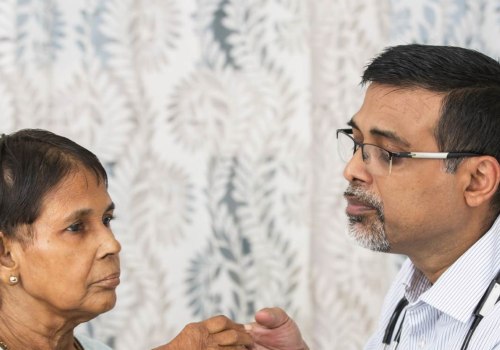
The mental health landscape for Black men is fraught with challenges that are often overlooked in broader discussions about mental health. Despite the growing awareness of mental health issues, significant disparities persist, particularly among communities of color. Black men face unique societal pressures, cultural stigmas, and systemic barriers that can exacerbate mental health conditions and hinder access to necessary care. Understanding these disparities is crucial for developing effective interventions and support systems that cater specifically to their needs.One of the most pressing issues is the pervasive stigma surrounding mental health within the Black community.
Many Black men are socialized to view vulnerability as a weakness, leading to a reluctance to seek help or discuss their struggles openly. This cultural narrative can result in underreporting of mental health issues, as individuals may feel compelled to maintain a facade of strength and resilience. Consequently, many suffer in silence, which can lead to worsening conditions and even crises.Moreover, systemic inequalities play a significant role in shaping the mental health experiences of Black men. Factors such as socioeconomic status, access to quality healthcare, and exposure to violence and discrimination contribute to heightened stress levels and mental health challenges.
The intersectionality of race and gender further complicates these issues, as Black men often navigate a world that imposes additional burdens based on both their race and gender identity.Addressing these disparities requires a multifaceted approach that includes increasing mental health awareness , promoting culturally competent care, and advocating for systemic changes within healthcare systems. By fostering an environment where Black men feel safe to express their emotions and seek help, we can begin to dismantle the barriers that have long hindered their mental well-being.
Cultural Stigmas Surrounding Mental Health in the Black Community
The cultural stigmas surrounding mental health in the Black community are deeply rooted and multifaceted, often acting as significant barriers to seeking help. These stigmas are not merely personal beliefs; they are shaped by historical, social, and economic factors that have influenced perceptions of mental health over generations.One prevalent belief is that mental health issues signify weakness. In many Black communities, there is a strong emphasis on resilience and strength, often referred to as the "strong Black man" stereotype.This notion can lead individuals to feel that admitting to mental health struggles is a sign of failure or inadequacy. As a result, many Black men may choose to suffer in silence rather than seek the help they need.Additionally, cultural narratives often emphasize self-reliance and the importance of handling problems independently. This can create an environment where discussing mental health is viewed as taboo or inappropriate. Many individuals may fear being judged or misunderstood by their peers and family members, leading to further isolation.Another factor contributing to this stigma is the historical context of systemic racism and discrimination.
The legacy of trauma experienced by Black communities—stemming from slavery, segregation, and ongoing racial injustices—has created a collective experience that complicates discussions around mental health. Many individuals may associate seeking help with vulnerability, which can be particularly daunting in a society that has historically marginalized their experiences.Moreover, the lack of representation within the mental health workforce exacerbates these issues. When Black men do not see professionals who look like them or understand their cultural backgrounds, it can lead to mistrust in the healthcare system. This lack of culturally competent care can reinforce feelings of alienation and discourage individuals from pursuing treatment.To combat these stigmas, it is essential to foster open conversations about mental health within the community.
Initiatives that promote awareness and education can help dismantle harmful stereotypes and encourage individuals to seek help without fear of judgment. By normalizing discussions around mental health and highlighting the importance of emotional well-being, we can begin to break down these barriers and create a more supportive environment for Black men facing mental health challenges.
The Impact of Historical Trauma on Mental Health
The concept of historical trauma refers to the cumulative emotional and psychological wounds that are passed down through generations as a result of traumatic events experienced by a particular group. For Black men in the United States, this trauma is deeply rooted in the legacy of slavery, segregation, and ongoing systemic racism. These historical injustices have not only shaped societal perceptions but have also had profound effects on mental health.Slavery, which forcibly separated families and stripped individuals of their identities, created a legacy of loss and disconnection that continues to affect Black communities today.The trauma experienced during this period was not just individual but collective, leading to a shared sense of grief and unresolved pain. This historical context is crucial for understanding the mental health challenges faced by Black men, who often carry the weight of this inherited trauma.Moreover, systemic racism perpetuates feelings of marginalization and inferiority. Black men frequently encounter discrimination in various aspects of life, including education, employment, and healthcare. These experiences can lead to chronic stress, anxiety, and depression.
The constant need to navigate a world that often devalues their existence can create a pervasive sense of hopelessness.To effectively address these mental health challenges, it is essential to adopt culturally sensitive approaches to care. Mental health professionals must recognize the historical context that shapes the experiences of Black men and incorporate this understanding into their treatment plans. This includes:
- Building Trust: Establishing a therapeutic relationship based on trust is vital. Professionals should be aware of the historical mistrust that exists within Black communities towards healthcare systems.
- Culturally Relevant Therapies: Utilizing therapeutic approaches that resonate with the cultural backgrounds of Black men can enhance engagement and effectiveness.
- Community Involvement: Engaging community leaders and organizations can help bridge gaps in understanding and provide support networks for individuals seeking help.
By acknowledging the past and its ongoing effects, mental health professionals can create more inclusive and effective care strategies that honor the unique experiences of this population.
Barriers to Accessing Mental Health Care
Accessing mental health care is a critical issue for many individuals, particularly for Black men, who often encounter a multitude of barriers that hinder their ability to seek and receive the support they need. Understanding these barriers is essential for developing effective strategies to improve mental health outcomes in this community.Financial Constraints
One of the most significant barriers to accessing mental health care is financial constraints. Many Black men face economic challenges that limit their ability to afford therapy or counseling services. The high cost of mental health care can deter individuals from seeking help, especially when they are already managing other financial responsibilities.
This situation is exacerbated by the fact that many Black men work in lower-paying jobs that do not offer comprehensive health insurance benefits.
Lack of Insurance
A lack of health insurance is another critical barrier. According to recent studies, Black men are less likely to have health insurance compared to their white counterparts. This lack of coverage can prevent them from accessing necessary mental health services, as many providers require insurance for treatment. Even when insurance is available, it may not cover all aspects of mental health care, leading to additional out-of-pocket expenses that can be prohibitive.
Logistical Challenges
Logistical challenges also play a significant role in limiting access to mental health care.
For many Black men, transportation issues can make it difficult to attend appointments, particularly if they live in areas with limited public transportation options. Additionally, the location of mental health facilities may not be convenient, further complicating access. These logistical barriers can create a cycle of avoidance, where individuals may delay or forgo seeking help altogether.
Cultural Stigma
Cultural stigma surrounding mental health issues can also deter Black men from seeking care. In many communities, there is a prevailing belief that discussing mental health problems is a sign of weakness or vulnerability.
This stigma can lead to feelings of shame and isolation, making it even more challenging for individuals to reach out for help.Addressing these barriers requires a multifaceted approach that includes increasing awareness about mental health issues within the community, improving access to affordable care, and fostering an environment where seeking help is normalized and encouraged. By tackling these challenges head-on, we can work towards creating a more equitable mental health care system that serves the needs of all individuals, particularly those who have historically been underserved.
The Role of Representation in Mental Health Care
Representation in mental health care is not just a matter of diversity; it is a crucial element that can significantly influence the effectiveness of treatment and the overall well-being of individuals from marginalized communities. When mental health professionals reflect the demographics of the populations they serve, it fosters a sense of trust and understanding that is essential for effective therapy.Many individuals, particularly Black men, may feel hesitant to seek help due to past experiences of discrimination or cultural misunderstandings within the healthcare system. A diverse mental health workforce can help mitigate these concerns by providing relatable role models who understand the unique challenges faced by their communities.This representation can lead to:
- Increased Comfort: Patients are more likely to open up about their struggles when they see someone who shares similar cultural backgrounds and experiences.
- Culturally Competent Care: Mental health professionals who are aware of cultural nuances can tailor their approaches, making treatment more relevant and effective.
- Reduction in Stigma: When individuals see professionals from their community thriving in mental health roles, it can help normalize seeking help and reduce stigma associated with mental health issues.
By fostering trust and understanding through shared experiences, we can create a more equitable healthcare environment where everyone feels valued and supported in their journey toward mental wellness.
Culturally Competent Care: What It Means and Why It Matters
Culturally competent care is a vital aspect of mental health treatment, particularly for Black men, who often face unique challenges and barriers in accessing effective therapy. This approach goes beyond mere awareness of cultural differences; it involves a deep understanding of the cultural, social, and historical contexts that shape the experiences of individuals from diverse backgrounds.At its core, culturally competent care means recognizing and respecting the values, beliefs, and practices of different cultures. For Black men, this can include acknowledging the impact of systemic racism, historical trauma, and cultural stigmas surrounding mental health. By integrating these factors into treatment plans, mental health professionals can provide more relevant and effective support.Key Components of Culturally Competent Care
- Awareness: Therapists must be aware of their own cultural biases and how these may affect their interactions with clients.
This self-awareness is crucial for building trust and rapport.
- Knowledge: Understanding the cultural background of Black men can help therapists tailor their approaches. This includes being informed about common stressors such as racial discrimination and economic disparities.
- Skills: Culturally competent care requires specific skills in communication and intervention that resonate with the client’s cultural context. This may involve using culturally relevant metaphors or examples during therapy.
This is particularly significant given the historical mistrust many Black individuals have towards mental health services due to past injustices.Moreover, effective therapy for Black men often involves incorporating community resources and support systems into treatment plans. This might include family involvement or connections to community organizations that promote mental wellness. By leveraging these resources, therapists can create a more holistic approach to care that addresses not only individual needs but also communal aspects of healing.In conclusion, culturally competent care is essential for effectively addressing the mental health needs of Black men. By fostering an environment of understanding and respect, mental health professionals can help dismantle barriers to care and promote better mental health outcomes within this community.
Community Support and Resources for Black Men’s Mental Health
Accessing mental health resources is crucial for Black men, who often face unique challenges and barriers in seeking help.Fortunately, there are numerous community support systems and resources available that cater specifically to their needs.
Local Organizations
- The Black Men's Health Initiative: This organization focuses on improving the health and well-being of Black men through education, outreach, and support services. They offer workshops, health screenings, and mental health resources tailored to the community.
- Brothers on the Rise: A program designed to empower young Black men by providing mentorship and support. They focus on building resilience and addressing mental health issues through community engagement and personal development.
- Black Emotional and Mental Health Collective (BEAM): BEAM is dedicated to removing the stigma around mental health in the Black community. They provide resources, workshops, and a directory of culturally competent therapists who understand the specific challenges faced by Black men.
Online Platforms
- Therapy for Black Men: This online platform connects Black men with licensed therapists who are culturally competent.
It offers a directory of mental health professionals, making it easier for individuals to find support that resonates with their experiences.
- Black Men Heal: This initiative provides free mental health services to Black men in need. They offer therapy sessions, workshops, and community events aimed at fostering healing and connection among participants.
- Support Groups: Many online forums and social media groups exist where Black men can share their experiences and seek advice from peers. These platforms create a safe space for discussion about mental health challenges and coping strategies.
It is essential to break down the stigma surrounding mental health within the community and encourage open conversations about emotional well-being.
Strategies for Overcoming Mental Health Barriers
Addressing the mental health barriers faced by Black men requires a multifaceted approach that combines personal strategies with community advocacy. Here are several actionable strategies that can help improve access to mental health care and promote overall well-being.- Engage in Open Conversations: One of the most effective ways to break down stigma is through open dialogue. Black men should feel empowered to discuss their mental health experiences with friends, family, or support groups. Creating safe spaces for these conversations can foster understanding and reduce feelings of isolation.
- Seek Culturally Competent Care: Finding a mental health professional who understands the unique challenges faced by Black men can significantly enhance the therapeutic experience.
Look for providers who are culturally competent and sensitive to the specific issues that may arise in therapy.
- Utilize Community Resources: Many communities offer resources specifically designed for people of color. These may include support groups, workshops, and outreach programs that focus on mental health awareness. Engaging with these resources can provide valuable support and information.
- Advocate for Policy Changes: Advocacy is crucial in addressing systemic barriers to mental health care. Black men can participate in local initiatives aimed at improving access to mental health services, such as lobbying for increased funding for community health programs or supporting legislation that addresses healthcare disparities.
- Practice Self-Care: Incorporating self-care routines into daily life can help manage stress and improve mental well-being.
This may include physical activities like exercise, mindfulness practices such as meditation, or engaging in hobbies that bring joy and relaxation.
- Educate Yourself and Others: Knowledge is power. By educating themselves about mental health issues, Black men can better understand their own experiences and help others in their community do the same. Sharing resources, articles, or personal stories can contribute to a more informed community.
- Build a Support Network: Establishing a network of supportive friends, family members, or mentors can provide emotional backing during challenging times. This network can serve as a source of encouragement and accountability in pursuing mental health care.
It is essential to recognize that seeking help is a sign of strength, and by working together within communities, we can create a more supportive environment for all individuals facing mental health challenges.
The Importance of Open Conversations About Mental Health
Open conversations about mental health are crucial for dismantling the stigma that often surrounds these issues, particularly within families and communities of color. For many, discussing mental health can feel taboo, leading to silence that perpetuates misunderstanding and fear. By fostering an environment where mental health is openly discussed, we can encourage individuals to seek help without the fear of judgment.In many families, especially those from marginalized backgrounds, mental health issues are often dismissed or misunderstood. This can stem from cultural beliefs that prioritize resilience and self-reliance over vulnerability.However, it is essential to recognize that acknowledging mental health struggles is not a sign of weakness but rather a step towards healing and growth.To break the silence on mental health, families can take several proactive steps:
- Start Early: Introduce discussions about emotions and mental well-being at a young age. This helps normalize the conversation and allows children to express their feelings without fear.
- Create Safe Spaces: Establish an environment where family members feel safe to share their thoughts and experiences. This can be achieved through regular family meetings or informal gatherings where everyone is encouraged to speak openly.
- Educate Together: Engage in learning about mental health as a family. This could involve reading books, attending workshops, or watching documentaries that address mental health topics relevant to your community.
- Model Vulnerability: Parents and guardians should lead by example.
Sharing personal experiences with mental health challenges can help children understand that it’s okay to seek help.
By encouraging dialogue within families and communities, we can create a supportive environment where everyone feels valued and understood.
<strong>Conclusion</strong>: Moving Towards Mental Health Equity for Black Men
As we conclude our exploration of the mental health challenges faced by Black men, it is essential to reiterate the critical need for systemic change. The barriers to mental health care are not merely individual struggles; they are deeply rooted in societal structures that perpetuate inequality and stigma. Addressing these issues requires a multifaceted approach that encompasses cultural, economic, and institutional reforms.Throughout this discussion, we have highlighted several key factors that contribute to the mental health disparities experienced by Black men:- Cultural Stigma: The stigma surrounding mental health within many Black communities often discourages individuals from seeking help. It is vital to foster open conversations about mental health to normalize these discussions and encourage individuals to prioritize their well-being.
- Lack of Representation: The underrepresentation of Black professionals in the mental health workforce can lead to mistrust and a lack of culturally competent care.
Increasing diversity among mental health providers is crucial for building trust and ensuring that care is relevant and effective.
- Structural Inequities: Economic barriers, such as lack of insurance coverage and access to affordable services, significantly hinder the ability of Black men to receive necessary care. Addressing these structural issues is essential for creating equitable access to mental health resources.
- Impact of Systemic Racism: The ongoing effects of systemic racism contribute to chronic stress and trauma, which can exacerbate mental health issues. Acknowledging and addressing these societal factors is critical for improving mental health outcomes.
- Implementing community-based programs that promote mental wellness and provide accessible resources.
- Enhancing training for mental health professionals on cultural competence and the unique challenges faced by Black men.
- Advocating for policies that expand insurance coverage and reduce financial barriers to care.
- Encouraging research focused on understanding the specific mental health needs of Black men and developing tailored interventions.
By addressing these barriers collectively, we can create a more inclusive and supportive environment that fosters healing and resilience within Black communities.