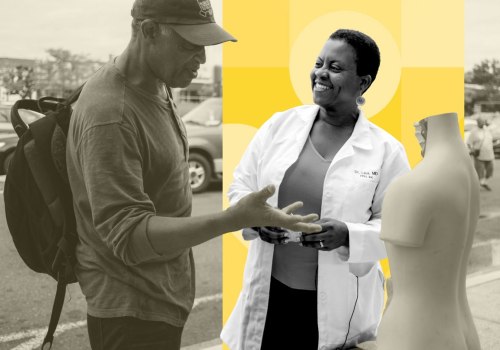
Public health issues in the United States represent a complex web of challenges that affect various demographics differently. Among these, the health of Public health issues in the United States represent a complex web of challenges that affect various demographics differently. Among these, the health of black men stands out as a critical area of concern. This demographic faces a unique set of health disparities that are deeply rooted in social, economic, and environmental factors. Understanding these disparities is essential for addressing the broader public health landscape in the U.
S.Black men often experience higher rates of chronic diseases such as hypertension, diabetes, and heart disease compared to their white counterparts. These health challenges are exacerbated by systemic issues such as limited access to quality healthcare, socioeconomic barriers, and cultural stigmas surrounding health-seeking behaviors. The intersection of these factors creates a cycle of poor health outcomes that can be difficult to break.Moreover, the impact of mental health cannot be overlooked. Black men frequently encounter societal pressures and discrimination that contribute to higher levels of stress and mental health issues.
Unfortunately, cultural stigmas often prevent them from seeking help, further compounding their struggles. As we delve deeper into the public health issues affecting black men, it becomes clear that a multifaceted approach is necessary to address these disparities effectively.In this article, we will explore the various public health challenges faced by black men in the U. S., examining how these issues not only affect individual lives but also have broader implications for communities and society as a whole. By shedding light on these critical topics, we aim to foster a greater understanding of the urgent need for targeted interventions and policy changes that can improve health outcomes for this vulnerable population.
The Impact of Cardiovascular Diseases
Cardiovascular diseases (CVD) remain a significant public health concern in the United States, particularly among black men.These conditions, which include heart disease and stroke, are the leading causes of death for this demographic, highlighting a critical need for awareness and intervention.According to the Centers for Disease Control and Prevention (CDC), black men are disproportionately affected by cardiovascular diseases. In fact, they are 30% more likely to die from heart disease compared to their white counterparts. This alarming statistic underscores the importance of understanding the underlying factors contributing to this disparity.
Risk Factors
Several risk factors contribute to the high prevalence of cardiovascular diseases among black men:- Hypertension: High blood pressure is prevalent in black men, often due to a combination of genetic predisposition and lifestyle factors.
- Diabetes: The incidence of diabetes is higher in black men, which significantly increases the risk of heart disease.
- Obesity: Higher rates of obesity among black men can lead to various health complications, including heart disease.
- Tobacco Use:Tobacco Use: Smoking rates remain high in this demographic, further exacerbating cardiovascular risks.
- Lack of Access to Healthcare: Socioeconomic factors often limit access to preventive care and treatment options.
Preventive Measures
Addressing these risk factors is crucial for improving health outcomes among black men. Here are some effective preventive measures:- Regular Health Screenings: Routine check-ups can help identify hypertension and diabetes early, allowing for timely intervention.
- Lifestyle Changes: Adopting a balanced diet rich in fruits, vegetables, and whole grains can significantly reduce cardiovascular risks.
- Physical Activity: Engaging in regular exercise helps maintain a healthy weight and lowers blood pressure.
- Tobacco Cessation Programs: Support for quitting smoking can lead to substantial improvements in heart health.
By understanding the statistics, recognizing risk factors, and implementing preventive measures, we can work towards reducing the burden of these diseases and improving overall health outcomes in this community.
Mental Health Challenges and Stigma
Mental health is a critical aspect of overall well-being, yet it remains a significant challenge for many individuals, particularly among black men in the United States. Studies indicate that black men experience higher rates of depression and anxiety compared to their white counterparts, often exacerbated by societal pressures and systemic inequalities.One of the most pressing issues is the stigma surrounding mental health within the black community. Many black men are raised with the belief that expressing emotional struggles is a sign of weakness. This cultural narrative can lead to feelings of isolation and reluctance to seek help.According to a report by the American Psychological Association, nearly 63% of black men believe that mental health issues are often viewed as a personal failing rather than a legitimate health concern.Furthermore, the stigma is compounded by historical factors, including discrimination and marginalization, which can create an environment where mental health issues are overlooked or dismissed. The fear of being judged or misunderstood can prevent many from discussing their mental health openly, leading to untreated conditions that can worsen over time.Access to mental health care is another significant barrier for black men. Despite the growing awareness of mental health issues, many face challenges in obtaining adequate care. Factors such as lack of insurance, financial constraints, and limited availability of culturally competent providers contribute to this disparity.
A survey conducted by the National Alliance on Mental Illness found that only 25% of black men who need mental health services actually receive them.To address these challenges, it is essential to promote open conversations about mental health within the community. Initiatives aimed at reducing stigma and increasing awareness can empower black men to seek help without fear of judgment. Additionally, improving access to affordable and culturally sensitive mental health services is crucial in ensuring that all individuals receive the support they need.In conclusion, tackling mental health challenges among black men requires a multifaceted approach that addresses both stigma and access to care. By fostering an environment where mental health is openly discussed and prioritized, we can work towards better outcomes for this underserved population.
Diabetes: A Growing Concern
Diabetes has emerged as a critical public health issue in the United States, particularly among black men.The prevalence of diabetes, especially type 2 diabetes, is alarmingly high within this demographic, highlighting the need for targeted interventions and awareness.According to the Centers for Disease Control and Prevention (CDC), black men are nearly twice as likely to be diagnosed with diabetes compared to their white counterparts. This disparity can be attributed to a combination of genetic, environmental, and lifestyle factors that contribute to the development of the disease.
Understanding Type 2 Diabetes
Type 2 diabetes is characterized by insulin resistance, where the body does not use insulin effectively. Over time, this can lead to elevated blood sugar levels, resulting in serious health complications such as heart disease, kidney failure, and nerve damage. The risk factors for type 2 diabetes are multifaceted and include:- Obesity: Excess body weight is a significant risk factor for developing type 2 diabetes.
Black men often face higher rates of obesity due to various socio-economic factors.
- Physical Inactivity: A sedentary lifestyle contributes to weight gain and increases the risk of diabetes. Many black men may have limited access to safe recreational spaces.
- Poor Diet: Diets high in processed foods and sugars can lead to obesity and insulin resistance. Cultural dietary preferences may also play a role in this.
- Genetic Predisposition: Family history of diabetes can increase an individual's risk, making it crucial for those with a family background of the disease to monitor their health closely.
Strategies for Prevention and Management
Addressing the diabetes epidemic among black men requires a comprehensive approach that includes:- Education: Increasing awareness about diabetes risk factors and symptoms is essential. Community programs can help educate individuals on healthy lifestyle choices.
- Regular Screening: Early detection through regular blood sugar screenings can help manage diabetes effectively before complications arise.
- Healthy Lifestyle Changes: Encouraging physical activity and promoting balanced diets rich in fruits, vegetables, and whole grains can significantly reduce the risk of developing type 2 diabetes.
- Access to Healthcare: Improving access to healthcare services for black men is vital.
This includes providing affordable health insurance options and culturally competent care.
Substance Abuse and Addiction Issues
Substance abuse and addiction are critical public health issues that disproportionately affect black men in the United States. The prevalence of substance use disorders among this demographic is alarming, with various studies indicating that black men face unique challenges that contribute to higher rates of addiction.According to the National Institute on Drug Abuse (NIDA), black men are more likely to experience substance use disorders related to both alcohol and illicit drugs compared to their white counterparts. For instance, a report from the Substance Abuse and Mental Health Services Administration (SAMHSA) revealed that approximately 9.5% of black men reported using illicit drugs in the past month, a statistic that underscores the urgent need for targeted interventions.Alcohol abuse is another significant concern. Data shows that black men are more likely to engage in heavy drinking and binge drinking than other racial groups.This pattern of alcohol consumption can lead to severe health complications, including liver disease, cardiovascular problems, and increased risk of accidents or injuries.The social implications of substance abuse among black men are profound. Many face systemic barriers such as poverty, unemployment, and limited access to healthcare, which can exacerbate their struggles with addiction. These factors often lead to a cycle of substance abuse that is difficult to break. Furthermore, societal stigma surrounding addiction can prevent individuals from seeking help, leading to untreated conditions and worsening health outcomes.Economically, the impact of substance abuse on black men extends beyond individual health.
Communities suffer as well; increased healthcare costs, loss of productivity, and higher rates of incarceration due to drug-related offenses place a significant burden on local economies. According to a study by the National Institute on Alcohol Abuse and Alcoholism (NIAAA), the economic cost of alcohol misuse alone in the U. S. exceeds $249 billion annually, with a substantial portion attributed to lost productivity among affected individuals.Addressing these issues requires comprehensive strategies that include education, prevention programs tailored for black men, and improved access to treatment services.
Community-based initiatives that focus on cultural competence can help bridge the gap between healthcare providers and those in need of support. By fostering an environment where individuals feel safe seeking help, we can begin to dismantle the barriers that perpetuate substance abuse within this community.
The Role of Nutrition and Physical Activity
Nutrition and physical activity are fundamental components of a healthy lifestyle, particularly for black men who face unique health challenges. The intersection of diet, exercise, and overall well-being cannot be overstated, as these factors play a crucial role in preventing chronic diseases such as diabetes, hypertension, and heart disease.Understanding Nutrition
- Balanced Diet: A balanced diet rich in fruits, vegetables, whole grains, lean proteins, and healthy fats is essential. Incorporating a variety of foods ensures that the body receives the necessary nutrients to function optimally.
- Limit Processed Foods: Processed foods often contain high levels of sugar, sodium, and unhealthy fats.
Reducing the intake of these foods can significantly lower the risk of developing chronic health issues.
- Hydration: Staying hydrated is vital for overall health. Drinking plenty of water throughout the day helps maintain energy levels and supports bodily functions.
The Importance of Physical Activity
- Regular Exercise: Engaging in regular physical activity—such as walking, jogging, cycling, or strength training—can help manage weight, improve cardiovascular health, and enhance mental well-being.
- Community Involvement: Participating in community sports or fitness groups can provide motivation and support. This social aspect can make exercising more enjoyable and sustainable.
- Setting Goals: Establishing realistic fitness goals can help maintain focus and commitment. Whether it’s aiming for a certain number of steps per day or completing a specific workout routine, having goals can drive progress.
Practical Tips for Black Men
- Meal Planning: Plan meals ahead of time to ensure healthy options are readily available.
This can help avoid last-minute unhealthy choices.
- Cooking at Home: Preparing meals at home allows for better control over ingredients and portion sizes. Experimenting with healthy recipes can also make cooking enjoyable.
- Incorporate Movement: Look for opportunities to be active throughout the day. Simple changes like taking the stairs instead of the elevator or going for a walk during lunch breaks can add up.
Access to Healthcare Services
Access to healthcare services is a critical issue for many populations in the United States, and black men face unique challenges that can hinder their ability to receive adequate care.Understanding these barriers is essential for improving health outcomes and ensuring equitable access to healthcare.One of the primary obstacles is the lack of insurance coverage. Many black men are employed in jobs that do not offer health benefits, or they may work in industries where part-time positions are more common, limiting their access to employer-sponsored insurance. According to recent studies, black men are more likely to be uninsured compared to their white counterparts, which significantly impacts their ability to seek preventive care and treatment for chronic conditions.In addition to insurance issues, the availability of healthcare services can also be a significant barrier. Many black men live in areas designated as healthcare deserts , where there are few medical facilities or providers.
This geographic disparity means that even when they have insurance, accessing care can require long travel distances, which may discourage them from seeking necessary medical attention.Cultural competency within healthcare systems is another critical factor affecting access. Black men often report feeling misunderstood or marginalized by healthcare providers, which can lead to distrust in the medical system. This lack of trust may result from historical injustices and ongoing disparities in treatment. To address this issue, healthcare providers must prioritize cultural competency training to better understand and meet the needs of diverse populations.Furthermore, systemic issues such as socioeconomic status play a role in healthcare access.
Black men are disproportionately affected by poverty, which can limit their ability to afford out-of-pocket costs associated with healthcare services, even with insurance coverage. This financial strain can lead to delayed care or avoidance of necessary treatments altogether.To improve access for black men, it is crucial for policymakers and healthcare organizations to implement targeted initiatives that address these barriers. Strategies may include expanding Medicaid in states that have not yet done so, increasing funding for community health centers in underserved areas, and promoting outreach programs that educate black men about available resources and services.In conclusion, addressing the barriers that black men face in accessing healthcare services requires a multifaceted approach that considers insurance coverage, service availability, cultural competency, and socioeconomic factors. By working towards solutions that enhance access and equity in healthcare, we can significantly improve health outcomes for this population.
Public Health Initiatives and Community Support
In recent years, various public health initiatives have emerged to specifically address the health disparities faced by black men in the United States.These initiatives aim to tackle a range of health issues, including heart disease, diabetes, and mental health challenges, which disproportionately affect this demographic.One notable program is the Men’s Health Network , which focuses on raising awareness about health issues that impact men, particularly those in minority communities. Through community outreach and education, this initiative provides resources and support to help black men understand their health risks and encourages them to seek preventive care. The network organizes health fairs, workshops, and screenings that are tailored to the unique needs of black men.Another effective initiative is the Black Men’s Health Initiative , which emphasizes the importance of regular health check-ups and lifestyle changes. This program collaborates with local healthcare providers to offer free or low-cost screenings for conditions such as hypertension and diabetes.
By removing financial barriers and providing culturally competent care, this initiative has successfully increased the number of black men who engage in preventive healthcare practices.Community support programs also play a crucial role in improving black men's health. For instance, local organizations often create support groups that focus on mental health and wellness. These groups provide a safe space for black men to discuss their experiences and challenges, fostering a sense of community and belonging. Such programs not only address mental health issues but also promote overall well-being through shared experiences and peer support.Moreover, initiatives like the Healthy Black Men Project work to educate communities about nutrition and physical activity.
By offering cooking classes, fitness programs, and nutritional counseling, these initiatives empower black men to make healthier lifestyle choices. The emphasis on community engagement ensures that these programs are relevant and accessible, ultimately leading to better health outcomes.In conclusion, successful public health initiatives and community support programs are vital in addressing the specific health challenges faced by black men. By focusing on education, accessibility, and community engagement, these efforts not only improve individual health outcomes but also contribute to the overall well-being of communities.
Conclusion: Moving Towards Better Health Outcomes for Black Men
As we reflect on the myriad of public health challenges that disproportionately affect black men in the United States, it becomes clear that a multifaceted approach is essential for fostering better health outcomes. Throughout this article, we have explored various issues, including the prevalence of chronic diseases, mental health disparities, and the impact of socioeconomic factors.Each of these elements plays a critical role in shaping the overall health landscape for black men.Addressing these public health issues requires a concerted effort from healthcare providers, policymakers, and community organizations. It is vital to implement targeted interventions that not only raise awareness but also provide accessible resources tailored to the unique needs of black men. For instance, increasing access to preventive care and education about chronic disease management can significantly reduce the incidence of conditions such as diabetes and hypertension.Moreover, mental health support must be prioritized. Stigma surrounding mental health issues often prevents individuals from seeking help.
By fostering open conversations and providing culturally competent mental health services, we can encourage more black men to engage with these essential resources.Furthermore, addressing the social determinants of health—such as education, employment opportunities, and housing stability—is crucial. These factors significantly influence health outcomes and must be integrated into public health strategies. Community-based initiatives that focus on economic empowerment and education can create a ripple effect, leading to improved health outcomes.In conclusion, while the challenges are significant, they are not insurmountable. By prioritizing the health of black men through comprehensive public health strategies and community engagement, we can pave the way for a healthier future.
It is imperative that we continue to advocate for policies that address these disparities and invest in programs that promote wellness within this community. Together, we can work towards dismantling barriers and fostering an environment where all individuals have the opportunity to achieve optimal health.