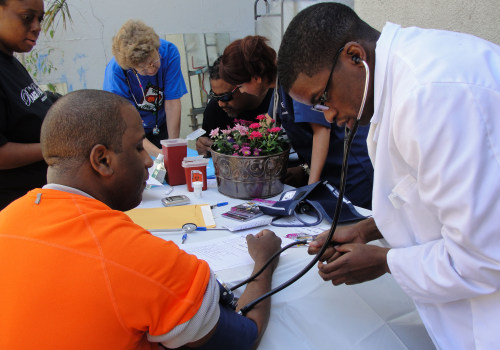
Health disparities represent a significant challenge in the United States, particularly among African Americans. These disparities are not merely statistical anomalies; they reflect deep-rooted systemic issues that affect the quality of life and longevity of entire communities. For black men, the implications of these disparities are particularly pronounced, as they face unique health challenges that are often exacerbated by social determinants such as socioeconomic status, access to healthcare, and experiences of racial discrimination.Research indicates that African American men experience higher rates of chronic diseases such as hypertension, diabetes, and heart disease compared to their white counterparts. This alarming trend is compounded by factors such as limited access to preventive care and a lack of culturally competent healthcare providers.
Furthermore, the stigma surrounding mental health within the black community can lead to underdiagnosis and undertreatment of mental health issues, further complicating overall health outcomes.Understanding the multifaceted nature of these health disparities is crucial for developing effective interventions. It is essential to recognize that these issues are not solely biological but are influenced by a complex interplay of environmental, economic, and social factors. By addressing these underlying causes, we can begin to dismantle the barriers that contribute to poor health outcomes among African American men and work towards a more equitable healthcare system.
Defining Health Disparities
Health disparities refer to the differences in health outcomes and access to healthcare that are closely linked with social, economic, and environmental disadvantages. These disparities are often seen among specific populations, particularly those defined by race, ethnicity, socioeconomic status, and geographic location.Understanding health disparities is crucial for addressing the inequities that exist within the healthcare system.
Definition of Health Disparities
According to the Centers for Disease Control and Prevention (CDC), health disparities are defined as "preventable differences in the burden of disease, injury, violence, or opportunities to achieve optimal health that are experienced by socially disadvantaged populations." This definition underscores the fact that many health disparities are not merely a result of biological differences but are significantly influenced by social determinants of health.
Examples of Health Disparities
- Chronic Diseases: African Americans experience higher rates of chronic conditions such as hypertension, diabetes, and heart disease compared to their white counterparts. For instance, studies show that black men are disproportionately affected by hypertension, with nearly 40% diagnosed compared to 28% of white men.
- Access to Healthcare: Many African Americans face barriers to accessing quality healthcare services. This includes lack of insurance coverage, limited availability of healthcare facilities in their communities, and cultural biases within the healthcare system that can lead to inadequate treatment.
- Mental Health: Mental health issues also reflect significant disparities. African Americans are less likely to receive mental health treatment compared to white individuals, often due to stigma and lack of culturally competent care.
- Maternal and Infant Health: The maternal mortality rate for black women is significantly higher than that for white women.
According to recent data, black women are three to four times more likely to die from pregnancy-related complications than their white counterparts.
Statistics on Black Men's Health
Understanding the health landscape for black men in the United States is crucial for addressing the disparities that exist within this demographic. Numerous studies and reports highlight alarming statistics that reveal the significant health challenges faced by black men compared to other racial groups.One of the most pressing issues is the prevalence of obesity.According to the Centers for Disease Control and Prevention (CDC), approximately 40% of black men are classified as obese, which is significantly higher than the national average of 30%. This elevated obesity rate contributes to a range of chronic health conditions, including diabetes, hypertension, and heart disease.In terms of chronic diseases, black men are disproportionately affected by conditions such as:
- Diabetes: The prevalence of diabetes among black men is about 13% , compared to 7% in white men. This disparity is often linked to higher rates of obesity and limited access to healthcare.
- Hypertension: Nearly 50% of black men have high blood pressure, which is a leading risk factor for heart disease and stroke.
- Cancer: Black men have a higher incidence of certain cancers, particularly prostate cancer, where they are 1.7 times more likely to be diagnosed than white men.
This gap can be attributed to a combination of factors, including socioeconomic status, access to quality healthcare, and lifestyle choices.Furthermore, mental health issues are often overlooked in discussions about black men's health. Studies indicate that black men are less likely to seek help for mental health problems due to stigma and cultural barriers. This reluctance can exacerbate existing health issues and lead to poorer overall outcomes.In summary, the statistics surrounding black men's health reveal a complex interplay of factors contributing to significant health disparities. Addressing these issues requires targeted interventions that consider the unique challenges faced by this demographic.
Key Health Issues Affecting Black Men
Health disparities among African American men are a pressing concern, particularly regarding chronic diseases such as diabetes, heart disease, and hypertension.These conditions not only affect the quality of life but also contribute to higher mortality rates within this demographic.
Diabetes in Black Men
Diabetes is a significant health issue for black men, with prevalence rates that are alarmingly high compared to their white counterparts. According to the Centers for Disease Control and Prevention (CDC), African Americans are nearly twice as likely to be diagnosed with diabetes. This disparity can be attributed to several factors:- Genetic predisposition: Certain genetic factors may increase susceptibility to diabetes among black men.
- Socioeconomic status: Limited access to healthy foods and healthcare services can exacerbate the risk of developing diabetes.
- Lifestyle choices: Higher rates of obesity and sedentary behavior contribute significantly to the onset of diabetes.
Heart Disease in Black Men
Heart disease remains one of the leading causes of death among black men. Factors contributing to this alarming statistic include:- Hypertension: High blood pressure is prevalent in African American men, often leading to heart disease.
The American Heart Association reports that black men are more likely to develop hypertension at an earlier age.
- Dietary habits: Traditional diets high in sodium and low in fruits and vegetables can increase the risk of heart disease.
- Lack of physical activity: Sedentary lifestyles are common, further increasing the risk of cardiovascular issues.
Hypertension: The Silent Killer
Hypertension, often referred to as the "silent killer," disproportionately affects black men. Many may be unaware they have high blood pressure until serious complications arise. Contributing factors include:- Stress: Chronic stress from socioeconomic challenges can elevate blood pressure levels.
- Lack of regular check-ups: Many black men do not receive regular health screenings, leading to undiagnosed hypertension.
Social Determinants of Health for Black Men
The health of black men in the United States is significantly influenced by a variety of social determinants of health. These determinants encompass the conditions in which individuals are born, grow, live, work, and age, and they play a crucial role in shaping health outcomes.Understanding these factors is essential for addressing the disparities that exist within this demographic.
Socioeconomic Status
One of the most critical determinants is socioeconomic status (SES). Black men often face economic challenges that can limit their access to quality healthcare. According to recent studies, black men are more likely to experience poverty compared to their white counterparts. This economic disadvantage can lead to inadequate health insurance coverage, making it difficult for them to seek preventive care or manage chronic conditions effectively.
Education
Education is another vital factor influencing health outcomes.
Higher levels of education are associated with better health literacy, which empowers individuals to make informed decisions about their health. Unfortunately, black men often encounter systemic barriers in educational attainment, which can perpetuate cycles of disadvantage. Limited access to quality education can hinder their ability to secure well-paying jobs and access necessary health resources.
Access to Healthcare
Access to healthcare services is a significant concern for black men. Many live in areas designated as healthcare deserts, where medical facilities are scarce or non-existent.
This lack of access can result in delayed diagnoses and treatment for serious health conditions. Furthermore, even when healthcare services are available, cultural competency among healthcare providers can be lacking, leading to mistrust and reluctance to seek care.
Environmental Factors
The environment also plays a crucial role in the health of black men. Many reside in neighborhoods with limited access to healthy food options and safe recreational spaces. This can contribute to higher rates of obesity and related diseases such as diabetes and hypertension.
Additionally, exposure to environmental hazards—such as pollution and unsafe housing—can further exacerbate health issues.In conclusion, addressing the health disparities faced by black men requires a comprehensive understanding of these social determinants. By focusing on improving socioeconomic conditions, enhancing educational opportunities, ensuring equitable access to healthcare, and creating healthier environments, we can work towards reducing these disparities and promoting better health outcomes for black men across the nation.
The Role of Healthcare Access and Quality
Access to quality healthcare is a critical factor influencing the health outcomes of black men in the United States. Unfortunately, systemic barriers often hinder their ability to receive adequate care, leading to significant health disparities. Understanding these barriers is essential for addressing the unique healthcare needs of this population.Barriers to Healthcare Access
- Economic Factors: Many black men face economic challenges that limit their access to healthcare.
High rates of unemployment and underemployment can make it difficult to afford insurance or out-of-pocket medical expenses.
- Geographic Disparities: In many urban and rural areas, healthcare facilities may be scarce. Black men living in these regions often have to travel long distances to access quality care, which can deter them from seeking necessary treatment.
- Lack of Insurance: A significant number of black men are uninsured or underinsured, which directly impacts their ability to receive timely and effective healthcare services. This lack of coverage can lead to delayed diagnoses and treatment.
- Cultural Competence: Many healthcare providers may lack an understanding of the cultural and social factors that affect the health of black men. This can result in miscommunication, mistrust, and inadequate care.
Quality of Healthcare for African Americans
The quality of healthcare received by black men is often compromised due to implicit biases within the healthcare system.
Studies have shown that African Americans frequently receive lower-quality care compared to their white counterparts, even when controlling for insurance status and income. This disparity can manifest in various ways:
- Delayed Treatment: Black men may experience longer wait times for appointments and procedures, which can exacerbate existing health conditions.
- Inadequate Pain Management: Research indicates that black patients are less likely to receive appropriate pain management compared to white patients, leading to unnecessary suffering.
- Lack of Preventive Care: Preventive services such as screenings and vaccinations are crucial for early detection and management of diseases. However, black men often have lower rates of participation in these services due to access issues.
Cultural Factors Influencing Health Behaviors
The health behaviors of black men are significantly shaped by a variety of cultural factors that can lead to both positive and negative health outcomes.Understanding these influences is crucial for developing effective health interventions and promoting healthier lifestyles within the community.
Cultural Identity and Health Perceptions
Cultural identity plays a pivotal role in how black men perceive health and wellness. Many individuals within this demographic may prioritize community and family over personal health, often viewing health issues as collective rather than individual concerns. This communal approach can foster strong support systems, encouraging healthy behaviors through shared experiences and collective action.However, this cultural perspective can also lead to the minimization of personal health issues. For instance, some black men may avoid seeking medical help due to a belief that they should endure pain or illness without external assistance.
This mindset can result in delayed diagnoses and treatment, exacerbating health disparities.
Lifestyle Choices Influenced by Cultural Norms
Dietary habits among black men are often influenced by cultural traditions and socioeconomic factors. Traditional Southern cuisine, which is prevalent in many African American communities, may include high-fat, high-sugar foods that contribute to obesity and related health issues. While these foods are often tied to cultural heritage and family gatherings, they can pose significant risks when consumed excessively.Moreover, physical activity levels can be affected by cultural norms and community resources. In some neighborhoods, limited access to safe recreational spaces can discourage exercise, while cultural attitudes towards masculinity may lead some men to avoid activities perceived as less 'manly,' such as yoga or group fitness classes.
Community Health Practices
Community health practices also play a vital role in shaping the health behaviors of black men.
Initiatives that promote awareness about chronic diseases prevalent in the community—such as hypertension and diabetes—can empower individuals to take charge of their health. Programs that incorporate culturally relevant education and outreach can effectively engage black men in preventive care.Furthermore, faith-based organizations often serve as critical platforms for health promotion within the African American community. These institutions can facilitate discussions about health issues, provide resources for healthy living, and create supportive environments that encourage positive lifestyle changes.In conclusion, while cultural factors significantly influence the health behaviors of black men, there is an opportunity to leverage these influences for positive change. By recognizing the unique cultural context in which these individuals operate, healthcare providers and community leaders can develop targeted strategies that promote better health outcomes.
Mental Health Challenges Faced by Black Men
The mental health of black men is a critical yet often overlooked aspect of overall health.Despite the growing awareness of mental health issues, many black men face unique challenges that can hinder their well-being. One significant barrier is the pervasive stigma surrounding mental health within the African American community. This stigma can discourage individuals from seeking help, leading to untreated mental health conditions.Many black men are raised in environments where expressing vulnerability is seen as a weakness. This cultural norm can create a reluctance to discuss mental health struggles openly.
As a result, issues such as depression, anxiety, and post-traumatic stress disorder (PTSD) may go unaddressed. The fear of being judged or labeled as "weak" often prevents them from accessing necessary support systems.Moreover, systemic factors contribute to these challenges. Limited access to quality mental health care, compounded by socioeconomic disparities, can make it difficult for black men to find appropriate resources. Many live in areas with few mental health professionals or facilities that are culturally competent and sensitive to their specific needs.
Importance of Mental Well-Being
Addressing mental health is essential for overall well-being.Mental health issues can exacerbate physical health problems, leading to a cycle of poor health outcomes. For instance, untreated depression can increase the risk of chronic diseases such as heart disease and diabetes, which are already prevalent among African Americans.
Resources for Mental Health Support
Fortunately, there are resources available specifically aimed at supporting the mental health of black men:- Therapy for Black Men: This organization provides a directory of therapists who understand the unique experiences of black men.
- The Black Mental Health Alliance: They offer resources and training to improve access to mental health services for African Americans.
- Community Support Groups: Local community centers often host support groups that focus on mental wellness and provide a safe space for sharing experiences.
- Online Platforms: Websites and apps dedicated to mental health can offer immediate support and resources for those hesitant to seek in-person help.
Community Initiatives and Solutions to Address Disparities
Addressing health disparities among black men requires a multifaceted approach that includes community-driven initiatives and targeted programs. These efforts not only aim to improve health outcomes but also foster a sense of belonging and empowerment within the community.One successful initiative is the Black Men's Health Initiative , which focuses on increasing awareness and education about prevalent health issues such as hypertension, diabetes, and prostate cancer.This program organizes health fairs, workshops, and support groups specifically designed for black men, providing them with vital information and resources to manage their health effectively.Another noteworthy program is the Men’s Health Network , which emphasizes preventive care through regular screenings and check-ups. By partnering with local healthcare providers, this initiative offers free or low-cost health screenings in community centers, barbershops, and churches—places where black men often gather. This approach not only increases accessibility but also reduces the stigma associated with seeking medical help.Furthermore, initiatives like the Community Health Worker (CHW) program have proven effective in bridging the gap between healthcare systems and underserved populations. CHWs are trained individuals from the community who provide education, outreach, and support to their peers.
They play a crucial role in addressing social determinants of health by helping black men navigate healthcare services, understand their rights, and access necessary resources.To tackle the root causes of health disparities, it is essential to implement policies that promote equity in healthcare access. Advocacy for systemic changes—such as expanding Medicaid coverage and increasing funding for community health programs—can significantly impact the overall health of black men.In conclusion, community initiatives focused on education, prevention, and advocacy are vital in addressing health disparities faced by black men. By fostering collaboration among healthcare providers, community leaders, and policymakers, we can create a healthier future for this population.
<strong>Conclusion</strong>
In summary, the health disparities faced by African Americans, particularly black men, are a pressing issue that demands immediate attention and action. The statistics reveal a stark reality: black men are disproportionately affected by chronic diseases such as diabetes, hypertension, and heart disease.These conditions not only diminish quality of life but also contribute to higher mortality rates within this demographic.Addressing these disparities requires a multifaceted approach that encompasses not only healthcare access but also social determinants of health. Factors such as socioeconomic status, education, and community resources play a critical role in shaping health outcomes. For instance, many black men face barriers to accessing quality healthcare due to systemic racism and economic inequality, which can lead to late diagnoses and inadequate treatment.Moreover, the impact of stress and mental health cannot be overlooked. The psychological toll of living in a racially biased society can exacerbate physical health issues.
It is essential to promote mental wellness alongside physical health initiatives to create a holistic approach to healthcare for black men.Community engagement is vital in combating these disparities. Local organizations and healthcare providers must work together to create culturally competent programs that address the unique needs of African American men. This includes outreach efforts that educate about preventive care, healthy lifestyle choices, and the importance of regular medical check-ups.In conclusion, the fight against health disparities among African Americans, especially black men, is not just a matter of individual responsibility but a collective societal obligation. By acknowledging the systemic issues at play and implementing targeted interventions, we can pave the way for improved health outcomes and a more equitable healthcare system for all.