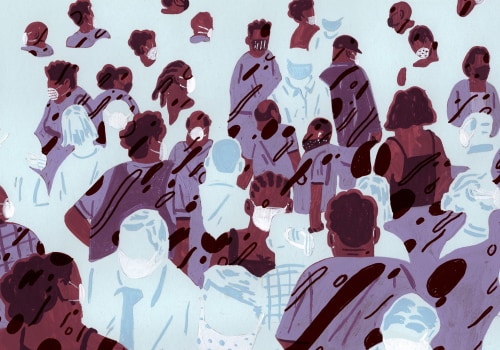
Mental health is a critical aspect of overall well-being, yet it remains a topic shrouded in stigma, particularly within the Black community. For many Black men, the challenges associated with mental health are compounded by societal expectations and cultural norms that discourage vulnerability. This silence can lead to a myriad of issues, including untreated mental health disorders, substance abuse, and even higher rates of suicide. Understanding the unique factors that contribute to these challenges is essential for fostering a supportive environment where Black men can seek help without fear of judgment.Historically, mental health has not been prioritized in discussions about health in the Black community.
The intersection of race, socioeconomic status, and cultural beliefs often results in a lack of access to mental health resources. Many Black men may feel pressured to conform to traditional notions of masculinity, which often equate emotional expression with weakness. This cultural backdrop can create barriers to seeking help, leading to a cycle of suffering in silence. It is crucial to break this cycle by promoting mental health awareness and encouraging open conversations about emotional well-being.As we delve deeper into the complexities surrounding Black men’s health , it becomes evident that addressing mental health is not just an individual concern but a community imperative.
By highlighting personal stories and statistical data, we can illuminate the urgent need for tailored mental health services that resonate with the experiences of Black men. This exploration will not only shed light on the challenges faced but also celebrate the resilience and strength within the community as they navigate these issues.
The State of Mental Health Among Black Men
The mental health landscape for Black men is marked by significant challenges and alarming statistics. Research indicates that Black men are disproportionately affected by various mental health disorders, with studies revealing that they are more likely to experience conditions such as depression, anxiety, and post-traumatic stress disorder (PTSD) compared to their white counterparts.According to the National Institute of Mental Health, approximately 9% of Black men reported experiencing a major depressive episode in the past year. This statistic is particularly concerning when considering the societal pressures and systemic inequalities that contribute to mental health struggles within this demographic.Furthermore, the prevalence of anxiety disorders among Black men is estimated to be around 20% , highlighting a critical need for targeted mental health resources and interventions.One of the most pressing issues is the stigma surrounding mental health in the Black community, which can deter individuals from seeking help. A survey conducted by the American Psychological Association found that nearly 63% of Black men believe that seeking mental health treatment is a sign of weakness. This perception not only affects their willingness to pursue therapy but also exacerbates feelings of isolation and despair.Moreover, the impact of historical trauma cannot be overlooked. The legacy of racism, discrimination, and socioeconomic disadvantage has left deep psychological scars on many Black men.
Studies show that those who have experienced racial discrimination are at a higher risk for developing mental health issues. For instance, a report from the Substance Abuse and Mental Health Services Administration (SAMHSA) indicates that Black men who face frequent discrimination are more likely to report symptoms of depression and anxiety.In addition to these factors, access to mental health care remains a significant barrier. Many Black men lack adequate health insurance or live in areas with limited access to culturally competent mental health services. This lack of access can lead to untreated mental health conditions, further perpetuating a cycle of distress.Addressing these disparities requires a multifaceted approach that includes increasing awareness about mental health issues among Black men, promoting culturally sensitive treatment options, and advocating for systemic changes that improve access to care.
By breaking down barriers and fostering open conversations about mental health, we can begin to dismantle the stigma and encourage more Black men to seek the help they need.
Cultural Perceptions and Stigma Surrounding Mental Health
The perception of mental health within the Black community is deeply intertwined with cultural beliefs and societal stigma. These factors significantly influence how individuals view mental illness, often leading to a reluctance to acknowledge or seek help for mental health issues. In many cases, mental health problems are seen as a sign of weakness or a personal failing, which can deter individuals from discussing their struggles openly.Cultural beliefs
play a pivotal role in shaping attitudes toward mental health. For instance, traditional views may emphasize resilience and self-reliance, leading many to believe that they should be able to cope with their problems without external assistance.
This cultural expectation can create an internal conflict for those experiencing mental health challenges, as they may feel ashamed or embarrassed to admit they need help.Moreover, the stigma surrounding mental illness in the Black community is often compounded by historical and systemic factors. Generations of discrimination and marginalization have fostered a deep-seated mistrust of healthcare systems, including mental health services. Many individuals may fear being judged or misunderstood by healthcare providers who do not share their cultural background or experiences.Additionally, the portrayal of mental illness in media can perpetuate negative stereotypes. When mental health issues are depicted as dangerous or associated with criminal behavior, it reinforces the stigma and discourages individuals from seeking help.
This can lead to a cycle of silence where those suffering feel isolated and unsupported.To combat these challenges, it is essential to promote awareness and education about mental health within the community. Initiatives that focus on culturally relevant messaging can help dismantle harmful stereotypes and encourage open conversations about mental well-being. Community leaders and organizations can play a crucial role in fostering an environment where individuals feel safe to express their struggles without fear of judgment.In conclusion, addressing the stigma surrounding mental health in the Black community requires a multifaceted approach that acknowledges cultural perceptions while promoting understanding and acceptance. By breaking down these barriers, we can pave the way for more individuals to seek the help they need and deserve.
Barriers to Accessing Mental Health Care
Accessing mental health care is a critical issue for many individuals, but for Black men, the barriers are often more pronounced and multifaceted.Understanding these barriers is essential to addressing the mental health crisis within this community.
Financial Barriers
- Lack of Insurance: Many Black men face financial challenges that prevent them from obtaining health insurance. Without coverage, the cost of therapy sessions can be prohibitively expensive, leading to a reluctance to seek help.
- High Out-of-Pocket Costs: Even with insurance, high deductibles and copayments can deter individuals from pursuing necessary mental health services. This financial strain can lead to prioritizing immediate needs over mental health care.
Logistical Challenges
- Transportation Issues: For many Black men, especially those living in urban areas, reliable transportation can be a significant barrier. The inability to travel to appointments can result in missed sessions and a lack of continuity in care.
- Time Constraints: Balancing work, family responsibilities, and other commitments can make it difficult for Black men to find time for therapy.
The stigma surrounding mental health may also lead to prioritizing other obligations over personal well-being.
Systemic Challenges
- Cultural Stigma: There is often a cultural stigma associated with seeking mental health care within the Black community. Many Black men may feel that admitting to mental health struggles is a sign of weakness, which can prevent them from seeking help.
- Lack of Representation: The mental health workforce lacks diversity, which can lead to feelings of alienation among Black men seeking care. A therapist who does not understand their cultural background may not provide the support needed.
- Historical Mistrust: Historical injustices in healthcare have led to a deep-seated mistrust of medical professionals among many Black individuals. This mistrust can create hesitancy in seeking help for mental health issues.
Only by breaking down these barriers can we hope to improve mental health outcomes for Black men and the broader community.
The Impact of Socioeconomic Factors on Mental Health
The relationship between socioeconomic factors and mental health is particularly pronounced in the Black community, especially among Black men. Various elements such as income, education, and employment status play a critical role in shaping mental health outcomes. Understanding these connections is essential for addressing the mental health crisis faced by Black men.Income and Mental Health
Financial stability is a significant determinant of mental health. Black men often face economic disparities that can lead to chronic stress and anxiety.
According to recent studies, lower income levels are associated with higher rates of depression and anxiety disorders. The constant struggle to make ends meet can create a cycle of hopelessness, further exacerbating mental health issues.
Education's Role
Education is another crucial factor influencing mental health. Higher educational attainment generally correlates with better job opportunities and income levels. However, systemic barriers often limit access to quality education for Black men.
This lack of educational resources can lead to lower self-esteem and increased feelings of inadequacy, which are detrimental to mental well-being.
Employment Status
Unemployment or underemployment significantly impacts mental health. Black men are disproportionately affected by job instability, which can lead to feelings of worthlessness and despair. The stigma associated with unemployment can also prevent individuals from seeking help, as they may feel ashamed or embarrassed about their situation.
Poverty and Mental Illness
Poverty is a pervasive issue that intersects with various aspects of life, including mental health. Living in impoverished conditions often means limited access to healthcare services, including mental health care.
This lack of access can result in untreated mental health conditions, perpetuating a cycle of poverty and poor mental health.Moreover, the stressors associated with poverty—such as food insecurity, inadequate housing, and exposure to violence—can contribute to the development of mental illnesses. Addressing these socioeconomic factors is vital for improving the overall mental health landscape for Black men.In conclusion, the intersectionality of socioeconomic status and mental health cannot be overlooked. By understanding how income, education, employment status, and poverty affect Black men's mental health, we can begin to develop targeted interventions that address these critical issues.
The Role of Family and Community Support Systems
Family and community support systems play a crucial role in addressing mental health issues among Black men. These support networks not only provide emotional backing but also serve as a vital resource for accessing mental health care and services.Understanding the dynamics of these systems can significantly enhance the well-being of individuals facing mental health challenges.
Family Support in Mental Health
The family unit often serves as the first line of defense against mental health issues. In many Black families, there is a strong emphasis on loyalty and support, which can be both a blessing and a challenge. While family members may offer unconditional love and encouragement, they may also inadvertently perpetuate stigma surrounding mental health. Open conversations about mental health within families can help dismantle these stigmas, allowing individuals to feel more comfortable seeking help.Encouraging family members to participate in therapy sessions or support groups can foster a deeper understanding of mental health issues.
This involvement not only educates family members but also strengthens the bonds within the family, creating a more supportive environment for those struggling with mental health challenges.
Community Resources for Black Men
Community resources are essential for providing accessible mental health care to Black men. Organizations such as local churches, community centers, and non-profits often offer programs specifically designed to address the unique challenges faced by this demographic. These resources can include:
- Support Groups: Many communities host support groups that focus on mental health issues specific to Black men, providing a safe space for sharing experiences and coping strategies.
- Counseling Services: Affordable or free counseling services are often available through community organizations, making it easier for individuals to seek help without financial burden.
- Workshops and Seminars: Educational workshops can help raise awareness about mental health issues and teach coping mechanisms, resilience strategies, and self-care practices.
Social Support Networks
Beyond family and formal community resources, social support networks play an integral role in promoting mental well-being. Friends, colleagues, and mentors can provide emotional support and practical advice during difficult times.
Building strong social connections can reduce feelings of isolation and loneliness, which are common among those dealing with mental health issues.Engaging in community activities or joining clubs that align with personal interests can also enhance social networks. These interactions not only provide emotional support but also foster a sense of belonging, which is vital for overall mental health.In conclusion, leveraging family and community support systems is essential for improving mental health outcomes among Black men. By fostering open communication within families, utilizing community resources, and building robust social networks, individuals can create a supportive environment that encourages healing and resilience.
Promoting Mental Health Awareness and Education
Raising awareness about mental health issues within the Black community is crucial for fostering understanding and encouraging individuals to seek help. Mental health education programs play a pivotal role in this initiative, aiming to equip community members with the knowledge and resources necessary to address mental health challenges effectively.These programs often focus on several key areas:- Understanding Mental Health: Providing information about common mental health disorders, their symptoms, and treatment options helps demystify these conditions.
This knowledge can empower individuals to recognize signs of distress in themselves and others.
- Reducing Stigma: Education initiatives aim to challenge the stereotypes and misconceptions surrounding mental health in the Black community. By sharing personal stories and testimonials, these programs can illustrate that seeking help is a sign of strength, not weakness.
- Promoting Resources: Many educational programs connect participants with local mental health resources, including counseling services, support groups, and hotlines. This accessibility is vital for those who may feel isolated or unsure about where to turn for help.
By focusing on relatable messaging and culturally relevant content, these campaigns can resonate more deeply with Black men, encouraging them to engage in conversations about their mental well-being.
Community outreach for mental health
is another effective strategy that involves mobilizing local leaders and organizations to promote mental wellness. Outreach efforts can include:
- Workshops and Seminars: Hosting events that provide practical tools for managing stress, anxiety, and depression can empower individuals with actionable strategies.
- Peer Support Groups: Creating safe spaces where individuals can share their experiences fosters a sense of belonging and reduces feelings of isolation.
- Cultural Competency Training: Training mental health professionals in cultural sensitivity ensures that they understand the unique experiences of Black men, leading to more effective treatment approaches.
Culturally Competent Care: The Need for Diversity in Mental Health Services
In the realm of mental health, culturally competent care is not just a luxury; it is a necessity, especially for Black men who often face unique challenges and barriers. Culturally competent care refers to the ability of healthcare providers to understand, communicate with, and effectively interact with patients from diverse backgrounds.This understanding is crucial in addressing the specific mental health needs of Black men, who may experience stigma, discrimination, and cultural misunderstandings when seeking help.The lack of diversity within the mental health workforce can significantly impact treatment outcomes. When mental health professionals do not reflect the demographics of the communities they serve, it can lead to a disconnect between providers and patients. Black men may feel less understood or even judged by practitioners who lack insight into their cultural experiences. This gap can discourage them from seeking help or adhering to treatment plans.To improve mental health services for Black men, it is essential to prioritize diversity in the mental health workforce.
A diverse team of professionals can bring varied perspectives and approaches to treatment, fostering an environment where Black men feel safe and validated. This can be achieved through:
- Recruitment Initiatives: Actively recruiting individuals from underrepresented communities into mental health professions can help create a workforce that mirrors the population it serves.
- Cultural Training: Providing ongoing training for all mental health professionals on cultural competence can enhance their understanding of the specific issues faced by Black men.
- Community Engagement: Involving community leaders and organizations in the development of mental health programs ensures that services are tailored to meet the needs of Black men.
Success Stories: Overcoming Mental Health Challenges in the Black Community
In the face of significant challenges, many individuals in the black community have emerged as beacons of hope, demonstrating that overcoming mental health issues is not only possible but can lead to profound personal growth and resilience.These success stories serve as powerful reminders that seeking help is a courageous step towards healing.
1.The Journey of Marcus
Marcus, a 32-year-old father from Atlanta, struggled with depression and anxiety for years. Initially, he felt isolated and ashamed, believing that seeking help would be seen as a weakness in his community. However, after a particularly difficult period where he found it hard to get out of bed, he decided to reach out to a therapist who specialized in working with black men. Through therapy, Marcus learned to confront his feelings and challenge the stigma surrounding mental health.
Today, he actively shares his story on social media, encouraging others to seek help and emphasizing that vulnerability is a strength.
2.Aisha's Transformation
Aisha, a 28-year-old educator from Chicago, faced severe anxiety that affected her ability to perform at work and connect with her students. After attending a community workshop focused on mental health awareness in the black community, she realized she was not alone in her struggles. With the support of her peers and a dedicated therapist, Aisha developed coping strategies and learned mindfulness techniques. Now, she leads workshops herself, helping others navigate their mental health challenges and fostering an environment where discussing these issues is normalized.
3.Building Community Support
In addition to individual stories, community initiatives have played a crucial role in promoting mental health awareness.
Organizations like Therapy for Black Girls provide resources and support networks specifically tailored for black women seeking mental health care. These platforms not only offer access to therapists but also create safe spaces for sharing experiences and building connections.These narratives highlight the importance of breaking the silence surrounding mental health in the black community. By sharing their journeys, individuals like Marcus and Aisha inspire others to confront their challenges head-on and seek the support they deserve. As more people come forward with their stories of resilience and recovery, the stigma surrounding mental health continues to diminish, paving the way for healthier futures.
<strong>Conclusion</strong>: Moving Forward Together for Better Mental Health Outcomes
As we reflect on the pressing issues surrounding black men health and mental well-being, it becomes clear that the journey toward improved mental health outcomes is a collective endeavor.Throughout this article, we have explored the multifaceted barriers that hinder access to mental health care for Black men, including societal stigma, economic disparities, and a lack of culturally competent care. These challenges are not insurmountable; rather, they call for a united response from individuals, communities, and policymakers alike.To foster a supportive environment for mental health, it is essential to prioritize community support. This can take many forms, from grassroots organizations that provide resources and education to local initiatives aimed at raising awareness about mental health issues. By engaging with community leaders and mental health advocates, we can create safe spaces where Black men feel empowered to share their experiences and seek help without fear of judgment.Moreover, addressing the stigma associated with mental health in the Black community requires a concerted effort to normalize conversations around emotional well-being.
Initiatives such as workshops, seminars, and public discussions can play a pivotal role in dismantling harmful stereotypes and encouraging open dialogue. When individuals see their peers discussing mental health openly, it can inspire others to do the same.In addition to community-driven efforts, advocating for systemic change is crucial. This includes pushing for policies that enhance access to mental health services, such as expanding insurance coverage and funding for community-based programs. By working together to influence legislation and resource allocation, we can ensure that mental health solutions are not just available but also accessible to those who need them most.Ultimately, the path forward lies in our ability to unite as a community.
By supporting one another and advocating for comprehensive mental health solutions tailored to the unique needs of Black men, we can break down barriers and foster resilience. Together, we can create a future where mental health is prioritized and where every individual has the opportunity to thrive.